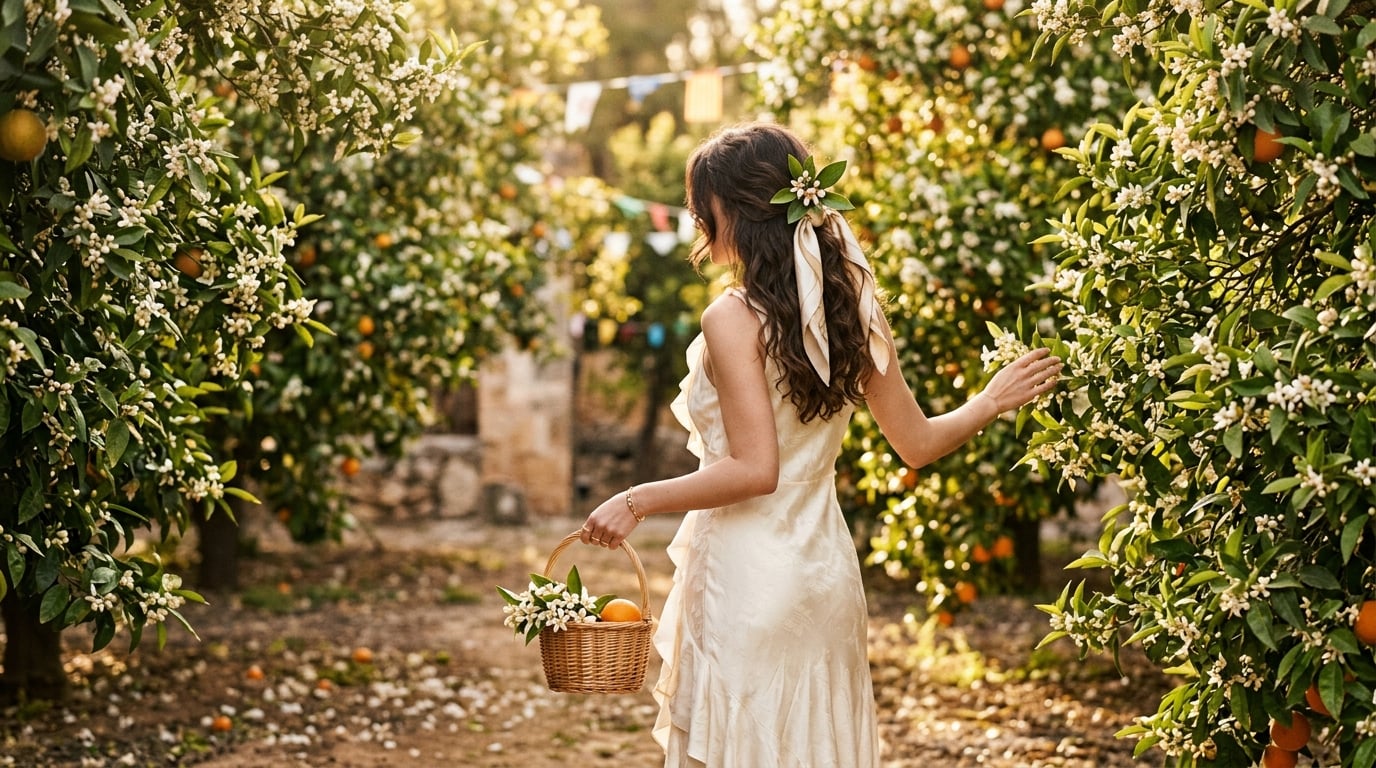
The orange trees in Valencia bloom in March. This is a fact that sounds poetic until you experience it — the scent is not a whisper but an insistence, and on certain streets in the Cabanyal or walking through the Jardins del Turia, it stops you mid-sentence. Then, on the 15th, the mascletà begins: the midday fireworks competition in the Plaza del Ayuntamiento that shakes the walls and the chest simultaneously. Las Fallas — the festival of fire, of elaborate papier-mâché monuments called ninots, of processions and explosions and flowers — takes over the city for its final stretch before the ceremonised burning of it all on the 19th.
March in Valencia is not calm. But an hour south, in Cullera, where the Júcar river meets the sea beside a Moorish castle on a volcanic promontory, it is something else entirely: the Mediterranean at its most thoughtful. Rice paddies behind the dunes. A lighthouse. A beach that hasn't woken up yet for summer. These two places, Valencia and Cullera, visited together, are a lesson in contrast — and your skin will navigate both.
Spring Mediterranean Skin
March light on the Mediterranean coast is not the same as summer Mediterranean light, but it is no longer winter light either. The UV index climbs to around 4–5 in Valencia in March, and crucially, it comes with warmth now. Temperatures reach 18–20 degrees on good days, and the sun has that low-but-bright quality where you feel it on your skin in a way that December sun doesn't quite manage.
SPF is non-negotiable — but the texture of your SPF can adjust. Summer-weight, very lightweight formulas that were perfect in August can feel thin in March's cooler evenings. A medium-weight SPF moisturiser, one that does double duty, is more practical for this transitional season. Apply in the morning, reapply around midday if you'll be outdoors at Las Fallas (and you will be outdoors at Las Fallas).
The transition from winter skin: if you're arriving from a colder, drier climate — even from Lisbon in early March — the Mediterranean air will immediately feel different. The humidity is higher, the air softer. Skin that felt tight and dehydrated will begin to ease. The risk is over-correcting and switching immediately to lighter products before your skin has actually adjusted. Give it a day.
Las Fallas: Fire, Smoke, and Skin
This needs to be said plainly: Las Fallas involves extraordinary amounts of smoke. Gunpowder from the mascletà and petardos, smoke from the burning monuments on the night of the 19th, and general pyrotechnic residue throughout the week of the festival. If you have reactive skin, rosacea, or any sensitivity to particulates, Las Fallas will trigger it.
Practical steps:
- A physical barrier on sensitive areas (particularly cheeks and around the nose) before significant firework exposure. A layer of balm or a rich moisturiser — not essential oil-based fragranced products, which can sensitise under heat — creates a literal buffer.
- Thorough double-cleansing in the evening to remove particulate matter from skin. An oil cleanser first to lift the day, followed by a gentle water-based cleanser. In a normal week this is adequate. During Fallas, it's essential.
- Avoid active exfoliation (retinol, AHAs, BHAs) during the days you're most exposed to smoke and heat. Your barrier is working hard enough.
Eye area: smoke means eyes. Mineral sunscreen around the eye area will sit without absorbing into the sensitive skin. Avoid waterproof mascara if you're inclined to rub your eyes — the removal process at the end of a Fallas night is aggressive and unnecessary. A tube mascara (one that peels away with warm water) is both easier and kinder.
For the Nit del Foc (the main firework night before the burning): this is one of the great spectacles of European festival life, and the smoke at the height of the display is significant. A light face covering or buff pulled up is not unusual and is actively practical. Afterwards, fresh air, water, and a thorough but gentle cleanse before sleep.
The Orange Blossom Factor
The orange blossom scent in March Valencia is one of those rare olfactory experiences that stays with you. It's relevant to beauty in a slightly unexpected way: if you're someone who wears heavy or complex fragrances, the city's natural scent will compete in a way that can feel overwhelming. A lighter, cleaner fragrance — or none at all — during March in Valencia lets you be in the environment rather than adding to it.
It's also worth knowing that orange blossom is a photosensitising ingredient. Products containing natural citrus extracts applied before sun exposure can cause hyperpigmentation. Check your serums and toners; if they contain orange, lemon, or grapefruit extract, apply them only in your evening routine while you're in Valencia.
Cullera: Mediterranean Calm
An hour south of Valencia, Cullera sits at the intersection of three landscape types: the river delta with its rice paddy flatlands, the abrupt volcanic rock of the castle hill, and the long sand beach facing a blue-to-teal sea. In March, the beach is nearly empty — a handful of local walkers, the occasional fisherman, the bars along the front open but quiet.
The Mediterranean in March is too cold to swim without serious intention, but not so cold that sitting on the sand in the afternoon sun feels like penance. This is the kind of place that invites a long walk, a slow lunch, and very little makeup.
What the skin does in Cullera: the combination of sea air, spring sun, and the particular damp freshness of river delta countryside creates a kind of mild glow-inducing environment. Wind off the water is gentle rather than aggressive at this time of year. The UV is present but not brutal. If there's a moment on this itinerary where you can let your skin breathe — minimal base, good SPF, a lip balm — it's here.
Hair at the beach in March: not the summer battle. The wind is light, the humidity moderate. If your hair behaves anywhere, it will behave in Cullera in March. A loose style with a touch of styling cream for hold will be enough.
What to Pack for Valencia + Cullera
- Medium-weight SPF moisturiser (30–50)
- Balm or rich barrier cream for Fallas smoke exposure
- Double-cleanse kit: oil cleanser + gentle water-based cleanser
- Tube mascara (waterproof is actually counterproductive during Fallas)
- Lip balm with SPF for beach afternoons
- Light fragrance or none — the orange blossom doesn't need competition
- Hair styling cream for air-dry days
After the Fire
The night of the Cremà — the burning of all the Fallas monuments, which happens simultaneously across the city on the night of the 19th — is one of those experiences that recalibrates your sense of scale. The heat from the main monument in the Plaza del Ayuntamiento is felt at considerable distance. By the time it's over, past midnight, you will smell of smoke and adrenaline and the very specific energy of 800,000 people having collectively witnessed something.
Cleanse thoroughly. Drink water. Sleep. The face in the mirror the next morning — slightly flushed, eyes bright from the heat — is worth looking at before you reach for the foundation.
When you return to Lisbon, whether from the festival intensity of Valencia or the quiet of Cullera's beach, there's usually a recalibration moment — a treatment, a reset. It's one we understand.
Good Hands is an on-location hair and makeup service based in Lisbon. We come to you.